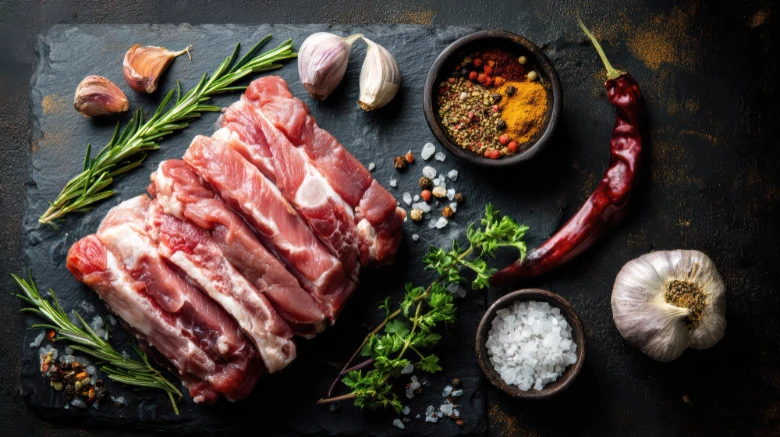
Remember "Pork, the other white meat"? That slogan described industrial pork — pale, bland, and forgettable. Real pork, the kind that comes from heritage breeds raised outdoors, is deep red and richly marbled. It is complex, varied, and delicious. Our Red Wattle and Large Black hogs produce some of the finest pork available anywhere in the Midwest. This guide will help you make the most of it.
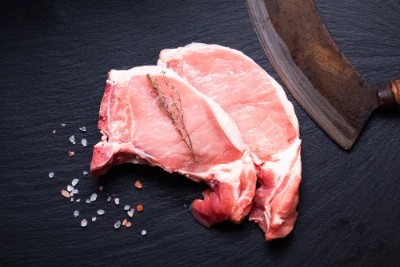
High heat, fast cook. Heritage pork chops are a revelation compared to the industrial product — darker meat, more fat, and genuine flavor that doesn’t need much help. Don’t overcook: 140–145°F and a 3-minute rest.
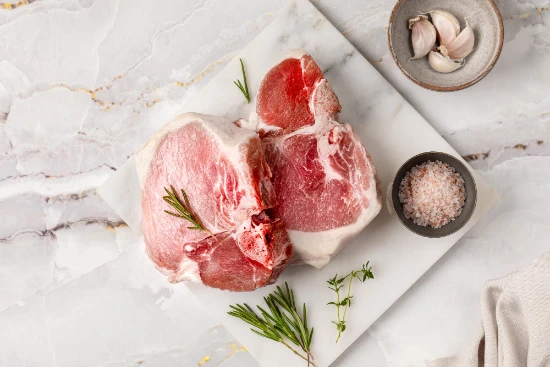
Pork Chop aka Loin Chop
Center cut of the loin
Center-cut chop from the loin. Leaner than the rib chop but excellent quality in heritage breeds.
The most premium pork chop. Includes both the loin muscle and a generous portion of tenderloin separated by a T-shaped bone. Impressive on the plate and extraordinary in flavor from heritage breeds.
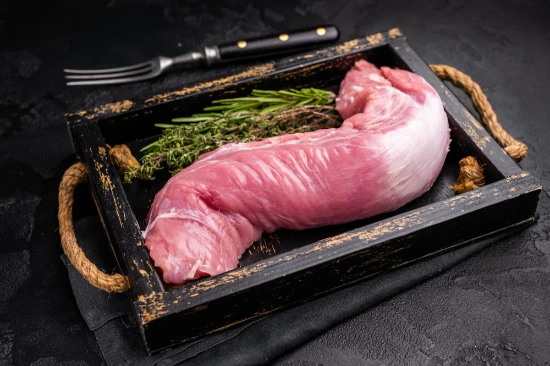
The most tender cut on the pig — very lean, very quick to cook. Often underrated because industrial tenderloin has no flavor. Heritage tenderloin is a different animal entirely: noticeably richer and more satisfying despite its leanness.
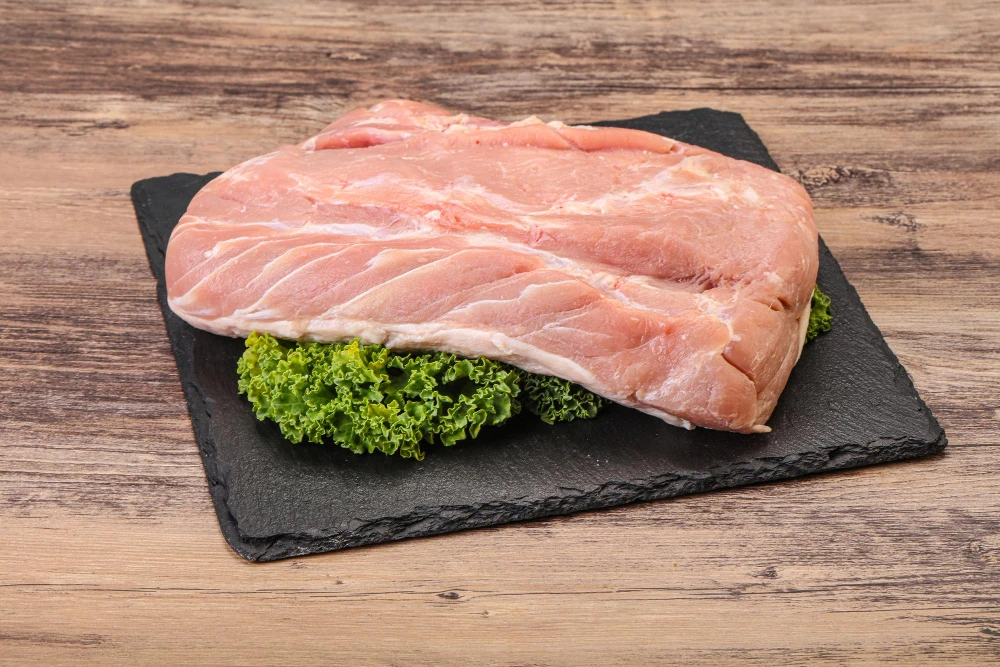
One of the best-kept secrets in pork. Well-marbled, deeply flavorful, and extremely versatile — grill it fast, braise it slow, or pan-fry it and finish with something acidic. An outstanding value cut that our heritage breeds make exceptional.
Heritage pork loin and leg roasts have a depth of flavor that industrial pork can’t approach. Don’t skip the fat cap — it bastes the roast as it cooks and is largely responsible for the flavor.
Pork Loin Roast
From the back — the long loin muscle
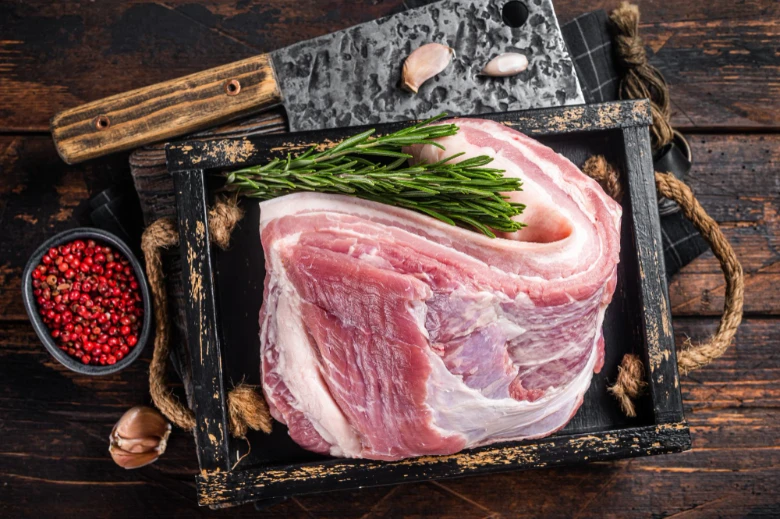
Large, lean, and impressive. The fat cap on heritage breed loin is thicker and more flavorful than commodity pork — score it before roasting so it renders and crisps. Feeds a crowd with minimal effort.
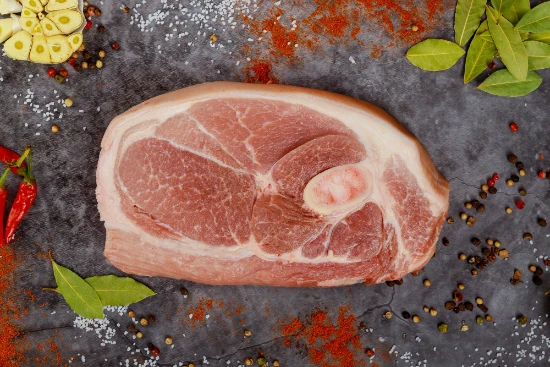
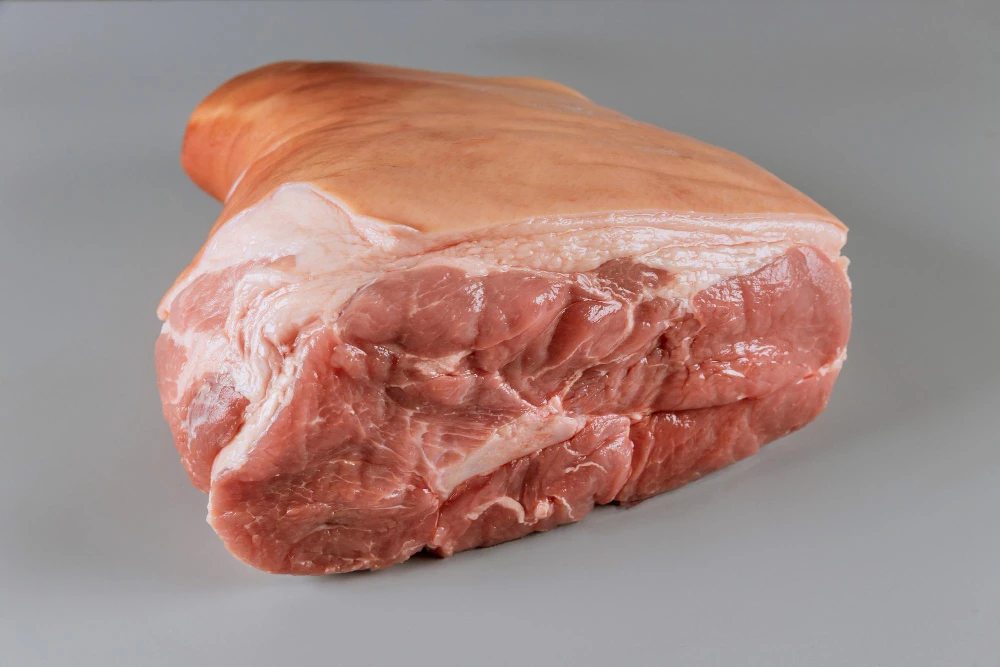
The whole rear leg of the pig, sold fresh without curing or smoking. Larger and more impressive than a loin roast, with a mix of muscles that produces a more complex result. Often overlooked — a whole fresh ham feeds 10–12 people and is extraordinary from heritage hogs.
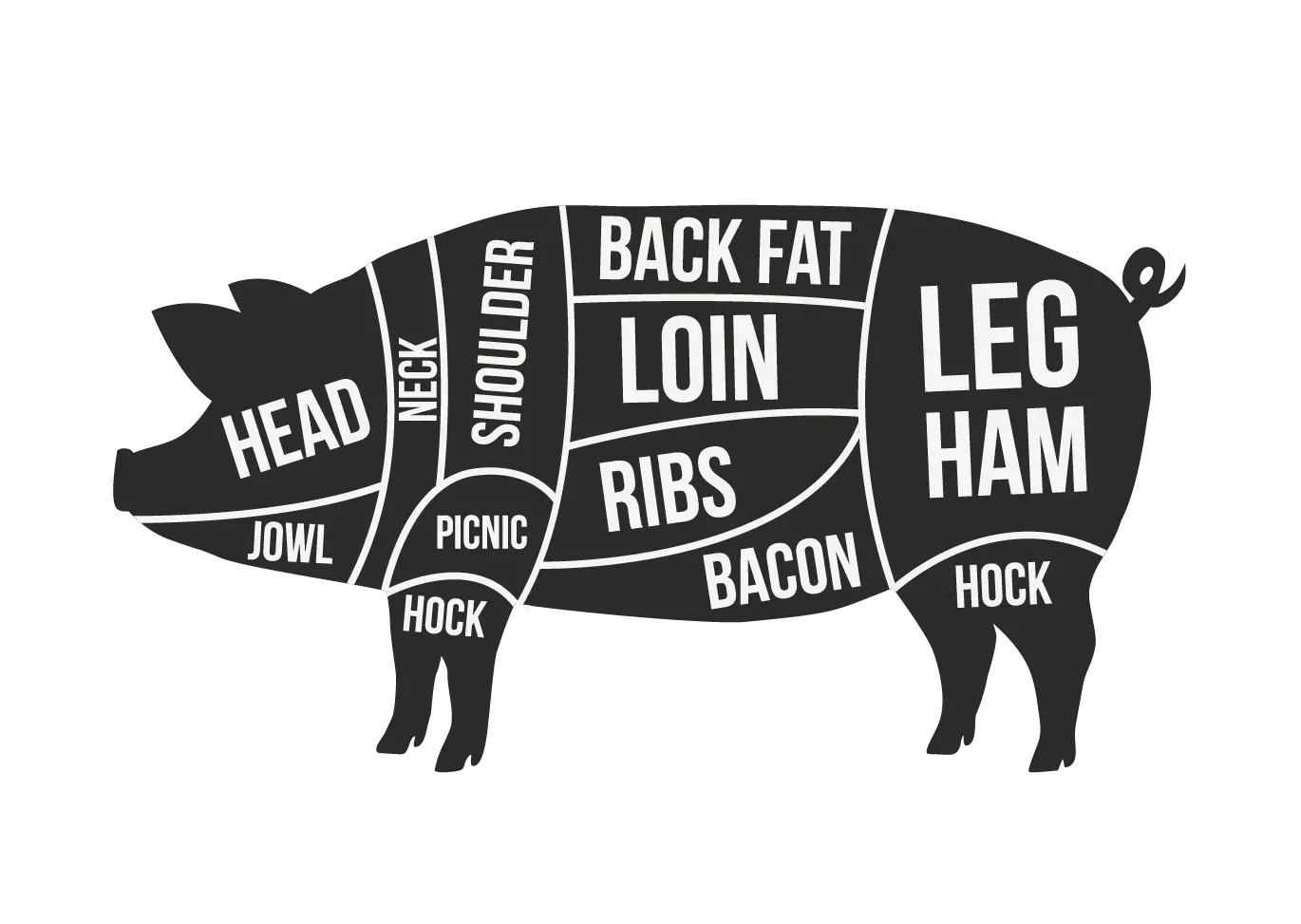
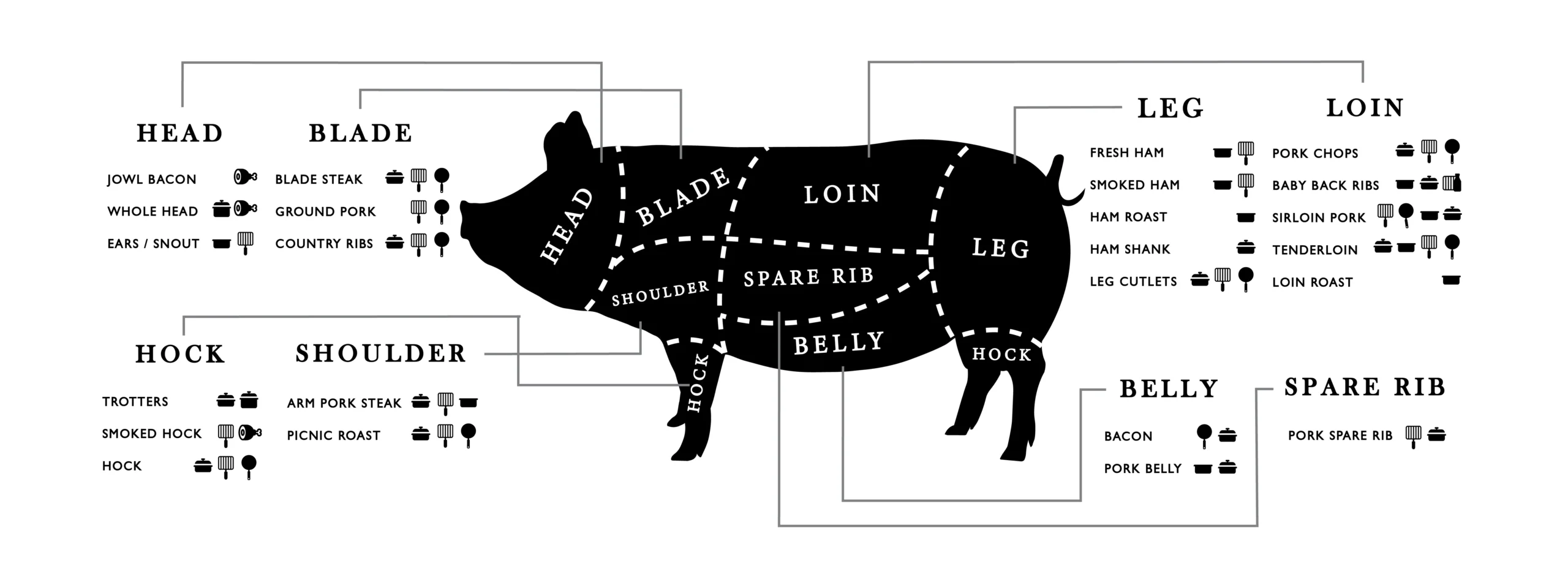
This is where heritage pork truly separates itself. The shoulder, ribs, and belly from Red Wattle and Large Black hogs have extraordinary fat content and marbling that slow cooking renders into something remarkable. Plan for time — it is always worth it.
Pork Shoulder (Boston Butt)
Upper front shoulder
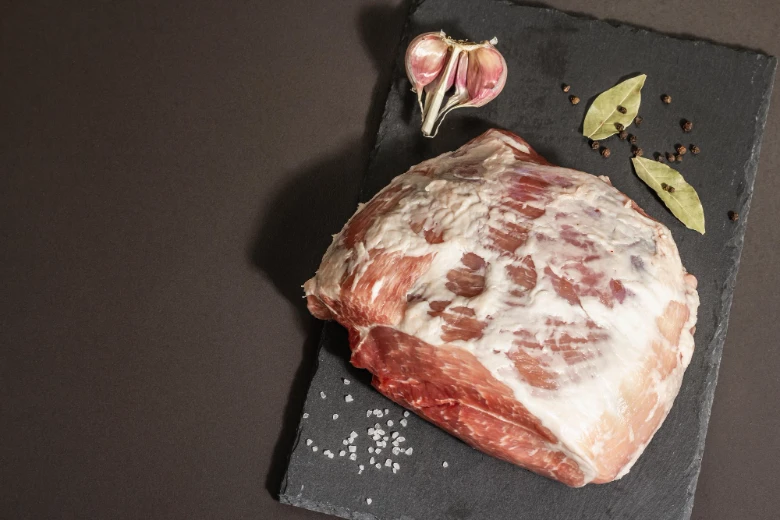
The definitive slow-cook cut. Well-marbled with connective tissue that melts over hours of low heat, producing pulled pork that is extraordinary from our heritage hogs. The fat content in Red Wattle shoulder in particular is exceptional — this is the cut our wholesale chefs request most.
The richest cut on the animal — layered fat and meat that renders into something extraordinary when slow-roasted, braised, or smoked. This is also the source of bacon. Heritage breed belly has a fat-to-lean ratio that commodity pork simply cannot replicate.
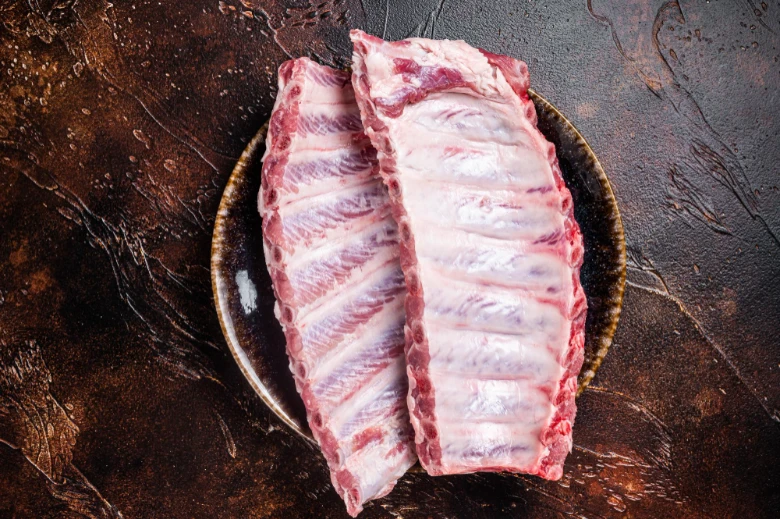
More meat, more fat, more flavor than baby back ribs. St. Louis cut is spare ribs trimmed to a uniform rectangle for even cooking. Heritage breed spare ribs are the best argument for buying from a small farm — the difference is immediately obvious.
Loin area — leaner and more tender than spare ribs
Smaller, more curved, and leaner than spare ribs. Quicker to cook and more tender by nature. From heritage breeds, the meat between the bones is noticeably thicker and darker than what you find in grocery stores.
Heritage pork fat has a different flavor and texture than commodity pork fat — it makes better bacon, better ham, and better charcuterie. All of our cured and smoked products are made from our own heritage hogs.
Artisan Charcuterie
Craft-cured heritage pork products
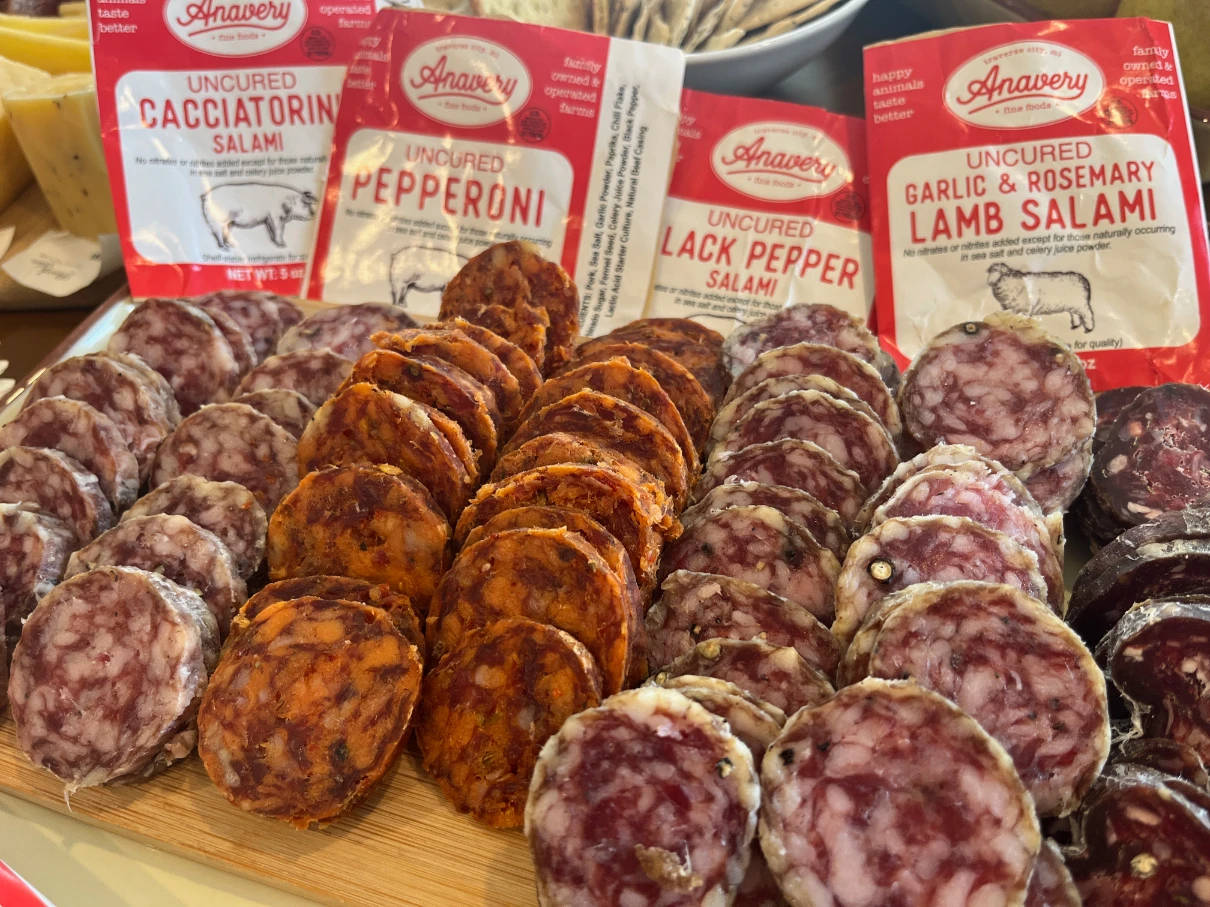
We work with an artisan producer to offer a rotating selection of charcuterie made from our heritage pork — salami, coppa, and other cured items. The Red Wattle breed produces exceptionally well-marbled meat that is prized specifically for charcuterie making. Ask us what’s currently available.
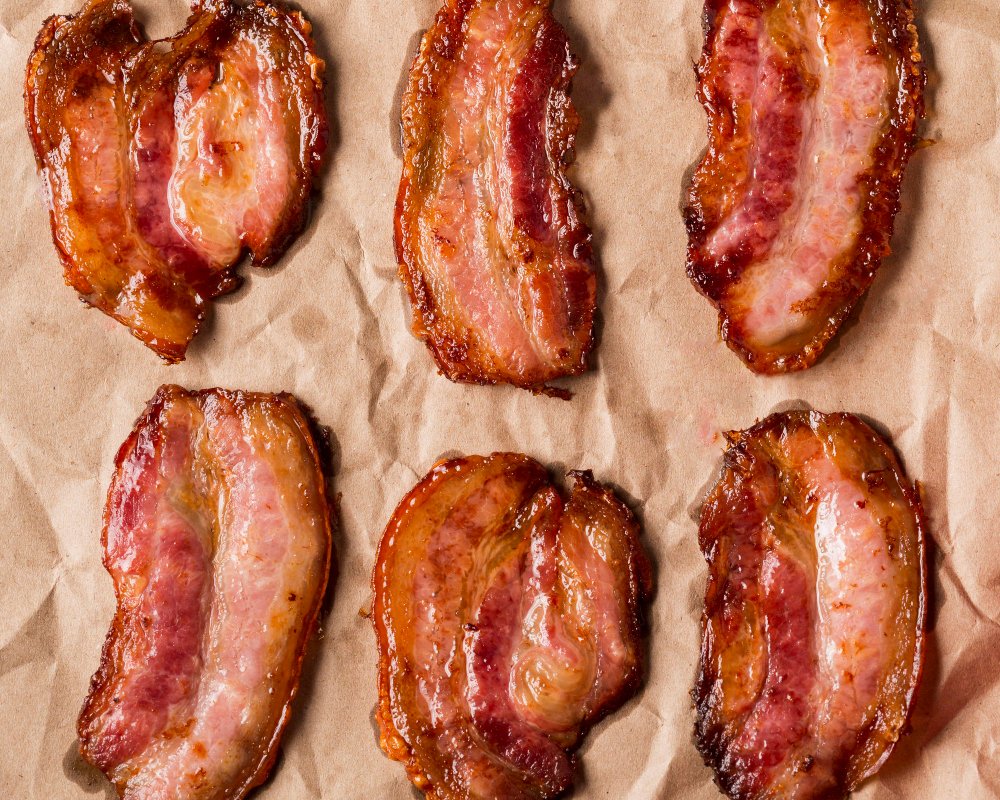
Our bacon is made from our own heritage pork belly — thicker, darker, and richer than anything from a grocery store. The fat renders differently, the flavor is deeper, and the ratio of meat to fat is more generous. Once you cook it, you’ll understand why our customers reorder it every time.
Made from the cheek. Richer and more intensely flavored than belly bacon. A staple in Southern cooking and Italian guanciale.
Pan-fry · Braise
Cottage Bacon
Cured and smoked pork shoulder. Leaner than belly bacon with a ham-like character. Good for sandwiches and breakfast.
Pan-fry · Griddle
Ham & Ham Steak
Cured and smoked leg of pork. Available whole or sliced into steaks. Heritage breed ham has a depth of flavor that is noticeably different from supermarket ham.
Everyday cooking cuts. Heritage ground pork and sausage have a fat content and flavor that makes them genuinely better in any application.
Ground Pork
Trim from across the animal. Heritage ground pork has noticeably more fat and flavor than commodity — transformative in dumplings, meatballs, meat sauce, and anywhere pork is mixed with other ingredients.
Dumplings · Meatballs · Sausage · Sauce
Sausage
Seasoned ground pork in bulk or links. We make our own sausage from our heritage hogs in several varieties. Ask about current flavors.
Pan-fry · Grill · Braise
Lard & Leaf Lard
Rendered pork fat. Leaf lard from around the kidneys has a very clean, neutral flavor prized for pie crusts and pastry. Regular lard is excellent for frying, roasting vegetables, and biscuits. Our heritage hog lard has a richer flavor than commercial lard.